
 English
 Español
 Portugues
 Pусский
 Français
 Deutsch
 한국어
한국어 العربية
 Italiano
 Svenska
 Polski
 ไทย
ไทย Türk dili
 हिन्दी
 Tiếng Việt
 中文
中文 қазақ
қазақ বাংলা
বাংলা فارسی
فارسی українська
 беларускі
 Suomalainen
 o'zbek
 Србија
 پښتو
پښتو საქართველოს
 Shqipëria
 Afrikaans
 Kikongo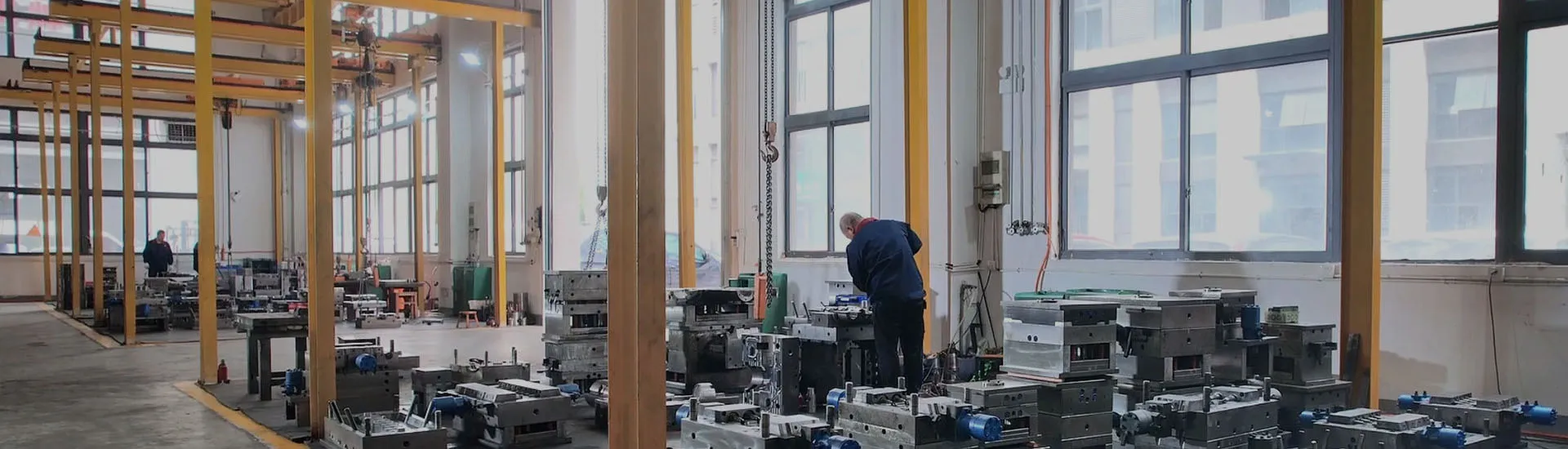
Indvendig trådsprøjtestøbeform
Inner Wire Injection Mold: Overview and Applications Inner wire injection molding is a specialized manufacturing process used to produce plastic components with embedded wires or conductive elements. This technique combines traditional injection molding with the precise placement of wires, creating parts that integrate electrical functionality within a durable plastic housing. The process is widely used in industries such as automotive, electronics, medical devices, and consumer goods, where reliable electrical connections and compact designs are essential. Process Overview The inner wire injection molding process involves several key steps: 1. Wire Preparation – The wires or conductive elements are pre-cut, stripped, and sometimes pre-formed to fit the mold cavity. 2. Insert Placement – The prepared wires are manually or automatically inserted into the mold cavity before the injection process begins. 3. Injection Molding – Molten plastic is injected into the mold, encapsulating the wires while maintaining their precise positioning. 4. Cooling and Ejection – The molded part cools, solidifies, and is ejected from the mold, now featuring an integrated wire structure. Key Advantages - Enhanced Durability – The plastic encapsulation protects wires from environmental factors like moisture, vibration, and mechanical stress. - Space Efficiency – Eliminates the need for additional connectors or external wiring, reducing assembly complexity. - Cost-Effective Production – Combines multiple manufacturing steps into one, lowering labor and material costs. - Design Flexibility – Allows for complex geometries and customized wire routing within the molded part. Applications - Automotive – Sensor housings, wiring harnesses, and connectors. - Electronics – Circuit boards, switches, and insulated wiring components. - Medical Devices – Implantable leads, diagnostic equipment, and disposable sensors. - Consumer Electronics – Charging cables, smart device components, and audio connectors. Challenges and Considerations - Precision Requirements – Misalignment of wires can lead to defects, requiring high-precision molds and automated insertion systems. - Material Compatibility – The plastic must bond well with the wire insulation to prevent delamination. - Process Optimization – Balancing injection speed, temperature, and pressure is crucial to avoid wire displacement or damage. Conclusion Inner wire injection molding is a versatile and efficient method for producing integrated plastic-electrical components. By embedding wires directly into molded parts, manufacturers can achieve greater reliability, reduced assembly steps, and innovative product designs. As industries continue to demand more compact and durable solutions, this technology will remain a critical enabler of advanced electronic and electromechanical systems.
produkt
Klassifikation:
-
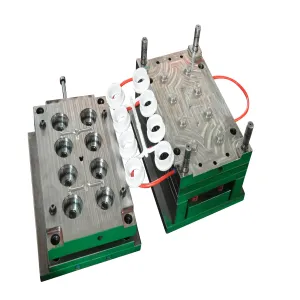
UPVC ventil fladbundsrørfittingsform
kategori: Kugleventil fittings formVisninger: 454serienummer:frigivelsestid: 2025-11-06 18:08:46UPVC ventil fladbundsrørfittingsformFormens navn:UPVC ventil fladbundsrørfittingsformHulrum: 8 hulrumFormstørrelse: 50 mmFormstål: Tyskland2316 kina2316 eller 4cr13 til hulrummet og kernenPort: direkte portformstruktur: Topstang stikker udHårdhed af kerne/hulrum: HRC 40-45° efter vakuum varmebehandlingSprøjtestøbemaskine: 180 T Taizhou Huangyan Hong Jin mold Co., Ltd blev etableret i 2002. Vi er professionelle inden for design og fremstilling af rørfittingsformen i mere end 23 år.Vi ser frem til et langt samarbejde med dig.Følgende er de vigtigste oplysninger til din reference.Ofte stillede sp...
nyheder
Klassifikation:
-
[industry news]Frigørelse af kvalitet: Den væsentlige rolle for CPVC-rørfit...
2024-09-02 21:36:11
sagen
Klassifikation:

video
Klassifikation:
Ingen søgeresultater endnu!
Hent
Klassifikation:
Ingen søgeresultater endnu!
rekruttering
Klassifikation:
Ingen søgeresultater endnu!
Anbefalede produkter
Ingen søgeresultater endnu!




 Whatsapp
 Telefon